Subscribe to Guy's Podcast:
#467 In this podcast episode, Guy talked with Heather Ivany about the Akashic Records, spiritual awakening, and how people had begun exploring their intuitive abilities during times of uncertainty and change. Heather explained how self-doubt, limiting beliefs, and comparison had often prevented people from recognizing their intuitive experiences and embracing moments of awe and inspiration. She shared how developing greater awareness, releasing judgment, and expanding one’s capacity to embrace the unknown had supported a deeper connection with consciousness.
The conversation also explored the four intuitive senses—clairsentience, clairvoyance, clairaudience, and claircognizance—and how trust, practice, and personal experience had helped strengthen these abilities. By the end, Heather reflected on her journey of working with the Akashic Records and writing her book, encouraging listeners to approach their spiritual development with curiosity, openness, and a willingness to explore beyond their perceived limitations.
If you enjoyed this podcast, you may also like: What the Akashic Records Revealed About My Life, My Body, & Truth I Didn’t Want to Face | Heather Ivany 2nd Interview
Libsyn Audio Version►
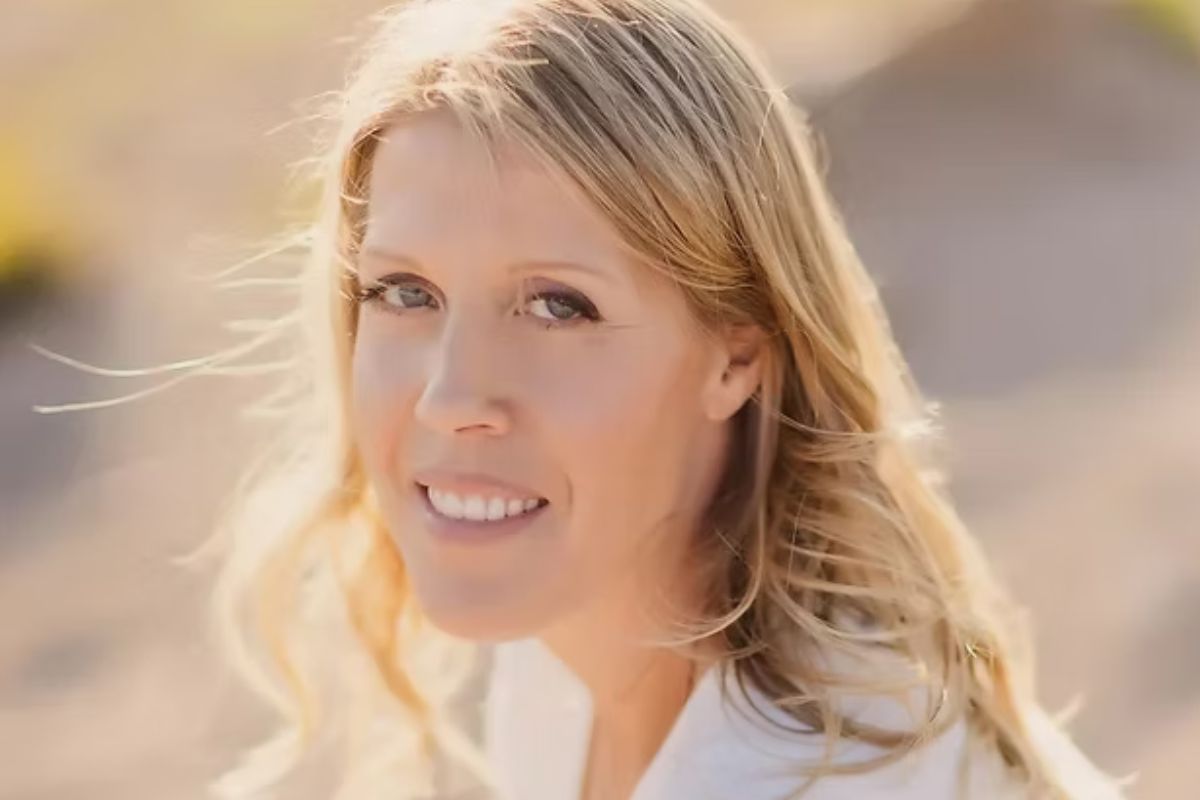
About Heather: Heather Ivany is a renowned spiritual mentor and akashic guide with over twenty years of experience leading innovative courses, private training, immersive retreats, and more. Harnessing a radiant warmth and decades-long immersion in spirituality, Heather facilitates life-altering transformation and growth for those who seek guidance or feel resistance aligning with their purpose.
Heather’s intuitive and enveloping approach awakens those who work with her to release what is limiting them and expand into the higher version of themselves. Heather’s teachings have left an imprint on thousands of students, granting them the practical skills to unconditionally embrace the fullness of the human experience.
With the gentle wisdom and compassion of one who understands the nuances of spiritual practice, she opens students to the joy of exploring the deep and mysterious inner landscape of the heart, mind, and body.
Her acclaimed akashic readings and training in particular have opened the records to an entire generation of new students who are expanding the tradition of awakening consciousness. When she is not teaching, Heather can be found in nature, in the loving company of her husband and kids, or absorbing the wisdom teachings from her teachers.
If you’d like to experience Heather’s soothing presence in your life, learn how to build a magnetic, soul-led business of your own, or invite Heather on your podcast, reach out and book with us.
How to Contact Heather Ivany:
www.heatherivany.com
Timestamps
00:00 Are You Dismissing the Spiritual Signs You’ve Been Waiting For?
01:45 Why More People Are Awakening to Their Intuition
04:37 Reading About Spirituality vs Actually Having a Mystical Experience
07:04 What Is the Akashic Field—and How Do We Actually Connect With It?
12:07 Why Some People “Feel Nothing” When Developing Their Intuition
13:09 Why We’re Better at Holding Pain Than Holding Awe
15:04 The Resistance That Tries to Hijack Your Spiritual Growth
19:14 Why Balance Isn’t the Goal—It’s a Resting Point
21:40 Is There a “Divine Code” Beyond Our Human DNA?
23:32 Could DNA Help Explain How We Access the Akashic Records?
24:46 Ascended vs Descended Master: Why Bring the Light Back Into the Body?
27:00 THE HEALING IMMERSION — Work with Me
27:50 Why Receiving Can Feel Much Harder Than Giving
31:29 Can Your Intuitive Senses Teach You How to Receive?
35:23 Everyone Has the Clairs—Here’s How You Actually Develop Them
38:54 Intuition or Imagination? How to Tell the Difference
42:51 What If Your Imagination Is the Field Co-Creating With You?
44:27 How the Akashic Field Uses Your Memories to Communicate
47:10 How Heather Uses the Akashic Field in Everyday Life, Work and Creativity
Referenced in This Episode
– Gregg Braden
– Kaia Ra: author of The Sophia Code
– Zach Bush
– Veda Austin
– Reverend Michael Beckwith
– Alex Ferrari
– The Healing Immersion
Transcript
Heather:
Very rarely do we go to the opposite end of the spectrum and work on the capacity to hold space, to create a higher ceiling or a greater bandwidth to hold moments of awe and inspiration and what we would consider sacred. Oftentimes when someone has a spark of a bit of a breakthrough that comes in, because it’s not special enough to their viewing eye, they will default and go into all of the resistant energy that wants to convince them that they can’t play in this arena.
Guy:
Heather, welcome back to the podcast.
Heather:
Oh, Guy, it’s such a pleasure to be back in your company again. Thanks for having me back
Guy:
Yeah, and we’ve been chatting for 15 minutes off air. I was saying it’s been two and a half years, I think, since we last came on the podcast, and A, it just highlights, it’s a barometer how quickly time is flying between now and then. And I have no doubt so much has gone on since then. We want to unpack today around the, not only the Akashic records, but also the question I wanted to lean into when starting out to this is that the world feels like a wild ride at the moment, and it’s being asked of us for something deeper. What have you, what have you been finding from somebody that connects to the records, connects to yourself, you know, and works with many people over maybe this last two and a half years? What, what do you feel has been presenting itself to you?
Heather:
Yeah, mostly, uh, what I’m noticing is, uh, I think the process of the pandemic catapulted a lot of people into experiences where they were in the non-physical realm but not quite sure how to work with them, or having a very innate intuitive knowing that this is a part of themselves that they no longer want to be ignoring, and they wanna be engaging with it the same way that they would engage in practices to maintain a physical health or a mental health or an emotional intelligence. Um, having access to their energetic and intuitive body was starting to call towards them. So the majority of people that kinda land in my presence that I have the great privilege of having conversations with is either more and I want to be able to play with it, and there’s almost like an urgency of like, like I feel like I should’ve started a while ago, and so there’s that little bit of urgency. Or it’s like something is opening and awakening within me, and I don’t really know how to it, or I don’t know how to direct it or how to make it practical towards my everyday. And so they’re, they’re looking for tangible ways to start to play with their intuition and their, their energetic connection that they have.
So that’s what I’m noticing most with others. Um, with myself, I feel I’m really pinging between like going into like the deep, deep cave and just really staying in my own lane and focusing on, on some things that are very important to me, and then going out and actively engaging and participating and sharing and learning, and just having this really dramatic ping between the, the, the sacred aloneness and the sacred community simultaneously.
Guy:
Yeah. It, it is a balance, isn’t it? What do you feel is the bridge into everyday life? ‘Cause if there’s one thing we see a lot of as well, is people are starting to get to that point where the materialism isn’t fulfilling their needs anymore. It’s like, “I’ve done this path.
Heather:
Hmm.
Guy:
want to, I want to lean into and follow something more that I’m more purposeful, more meaning, more contribution.” I mean, that’s what we are seeing. But then we go into our heads and there’s this gap that starts to feel wider and wider between the life they’re living and maybe something that’s calling them of, or asking something of them differently, but they can’t even interpret it in the first place. There’s just an, there’s just an itch they can’t scratch underneath
Heather:
Yeah, I think we’re, um, we’re very knowledge-heavy in our culture. We have a lot of to learning, but I think where sometimes we can fall short is giving ourselves the privilege of, a mystical experience and how I divine, uh, the mystic is the capacity to have an energetic experience, to actually be a part of it rather than reading about it. And so I think a big bridge is that can we, allow ourselves to carve out time in our day or our week or, or our seasons to give ourselves permission to be able to have an experience of the mystical rather than simply wondering about it or trying to logically place it somewhere in our day?
Because essentially the field that we’re con- having a conversation about is not a rational It’s, it’s an irrational, not logical space. And so when we’re trying to unpack it from the rational, logical mind, will oftentimes feel, uh, unimportant, um, or unrelatable to what it is that’s going on in our life, crisis, chaos, joy, freedom, whatever it is. Uh, and so we will dismiss it or we’ll minimize it, or we’ll, uh, pretend it’s not actually nudging us, uh, because it– we are just such a practical, logistical, culture society, and so it makes it, it I, I think it takes a very strong, self-assured individual to be like, “Hey, but it won’t go away, and therefore I’m gonna give it the time and the energy that it’s requesting of me to see where it wants to go, to see where it wants to play.” And I, I commend anyone who can actually move out of that pull by just being human to stay in the practical.
Guy:
Yeah. And how do you view, like, how has your relationship developed and with the field, the Akasha, whatever terminology that, or label that we have with it, and your understanding of it over time? Because I’m sure it would have changed for you over the years.
Heather:
I think where I’m playing with it mostly is, so when I look at the, topic of the Akasha, which, you know, science-based, you’re gonna define it as the quantum field and, and spiritually based, you’re gonna define it as the etheric or conscious realm. When I, when I lean into that more and, and if truly believe it is inclusive of everything and exclusive of nothing, where I find my relationship with it continues to unfold watching where I hold preference either with the many selves of me, and where I’ll be like, “This part of myself is allowed in, but this part of myself is not allowed in,” where I hold preference with people or situations or, know, the– we, we live in a, in a, in a 3D realm, which the mind understands through opposition.
So very important that we make sense of the world through that. when we wanna create, those oppositions have to come together in order to allow ourselves to create, and how they come together is, for me, is by becoming more equanimous, less separate from each other but more similar than they are different, but still different enough that they can co-create together. So I’m constantly watching where I hold preference, whether it’s when I’m working with, um, for example, like, like an Akashic group. There will always be those that are coming in that are feeling, that are, that are going through the program with us that feel like they’re behind or they’re not getting it or they’re not connecting, and they’re watching others have these, um, what they would define as magical experiences, and then they’re doing the compare and contrast and wondering why it’s not lining up for them. for me, biggest growth edge there is how can I hold the space for the individual to have the experience they came here to have, not the experience I prefer them to have? been incredibly, um, uh, like mind-blowing but also gripping for me at the same time because the Heather in me really wants the other to have what they signed up for, to, um, to get the pleasure out of the experience that, um, that spirituality oftentimes brags about, the euphoric moments.
And yet, for me to really trust that everything is and exclusive of nothing, then I have to allow the part of them that wants to have a temper tantrum and wants to be in doubt or fear or shame or just convincing themselves that they’re not worthy enough to be in this space to just have the storm they came to have so that however the field is working through them, it’s given permission to do that, and I’m simply holding the banks of the river while they go through that. And that’s one of the biggest growth edges for me and my relationship to the Akashic field is not to provide what I think they should be having, but to allow them to have the, the, the experience they came here to have. And for me, it’s where do I hold preference of one being better than the other, that diminishes the person from having the experience or myself from having the experience that I came here to have. Does that make sense?
Guy:
I can so relate to everything you just said and hugely. It makes total sense. It makes total sense. I f- I feel the same way when I hold space to, to create a healing space and, uh, yeah, there’s these elements you’re just, you’re just rooting for the other team, but then if you’re imposing that on you, on that of how it should be, you’re automatically placing your own judgments, expectations on something and taking away the d- the divinity of it all in the first place for that other person and what it is that’s being provided for them to find their own way through to get the, the insights and the wisdom that they can then really embody and take on forward in their lives.
Heather:
Mm.
Guy:
I think it’s, it’s, it’s a huge thing. What do you feel, uh, and I’m just asking more for people, the listeners, like, do you think there’s any common denominators from when you’re teaching people to read the Akashic records and, you know, some have these profound, unbelievable insights and they just get it, and then others are just like, “I’m, I’m numb. I, I don’t feel a thing. What’s going on here,” Heather? Kind of thing. Uh,
Heather:
yeah. Sorry, keep going
Guy:
no, no, but is there, uh, I’ve, like, just observing, have you noticed is there anything that is kind of … What’s getting in the way for that person, or do you think it really is just an individual basis that’s something they have to go through?
Heather:
no, there are some common denominators. I think I thought I would spend more time nuancing the ways that their intuition comes through. So, um, how their clair is showing up and how can we, make that more on the surface rather than, you know, kinda hidden underneath the waters. Uh, but what I find is mo- where, where I’m usually spending a lot of my time, uh, with working with someone who, quote unquote, “might be struggling a little bit,” would be looking at the human factors actually. Um, what are the, what are the belief systems that are coming forward here, or the resistances that are coming forward here that are very intentionally and lovingly, um, trying to interrupt their divinity from being able to pop out or break through? And so that’s usually where I end up spending of my time and, and traction with individuals.
And it’s, it’s interesting. A lot of us– What I notice, and myself included, is that We will hold– We, we have great tools and resources for being able to expand the capacity to hold space for the hard times that we’ve been through. very rarely do we go to the opposite end of the spectrum and work on the capacity to hold space to create a higher ceiling or a greater bandwidth to hold moments of awe and inspiration and what we would consider sacred or, um, a deep reverence for the present moment. And so oftentimes when someone has a spark of what I’ll call like a bit of a breakthrough that comes in, because it’s not special enough to their viewing eye, they will default and go into, um, all of the resistant energy that wants to convince them that they can’t play in this arena. And so what I’m usually doing is hunting for those, those little hidden gems that are appearing through our moments of conversation and, and exercises that we’re doing together and reminding them, “But, but, but this data says otherwise, and this data says otherwise.”
And what if when we’re in that micro moment of an energetic permission coming through, what if we stayed 30 seconds longer than what feels comfortable or a minute longer than what feels comfortable so that we can start to raise the ceiling of our capacity to hold more space for awe-filled moments and non-physical experiences? and then in alignment with that, have a, a, a big conversation with, with everyone when we first start to just say, “Listen, your resistance is gonna come forward. There’s nothing we can do about it. It’s a part of who you are.” And yet I have zero ways of being able to argue with it and being able to convince it to go away because it’s been with you longer than I have. So I ask the individuals to actually manage the part of themselves that wanna hijack the experience their divine self called them in to have, if they can, very beautifully, they don’t have to leave, but just allow them to be in the back seat and, and place the version of them that, that really wants to grow and expand and…
or move into the unknown or, or be in the field of I don’t know, to, to really sit in the driver’s seat. And many people, this is the first time that they’ve invited that, that part of themselves to really, to really at the head of the wheel and, and really be allowing them, endless hours or, or, or minutes to be able to be the focal point, be the priority Yeah.
Guy:
Yeah. No, that makes complete sense. Yeah, it’s, human beings, they’re funny creat- we’re funny creatures sometimes. I, I li- I like how you spoke to that when, when basically the shit hits the fan or something is asked of all of us, we can dig deep and we can, you know, hold so much and keep shit together or, or it’s calling upon aspects of ourselves that we’ve never seen before just to make it through, just like COVID did. You know, there were many things, but we’re, we very rarely … We tend to sit in that beautiful comfort, space of comfort and get comfortable, and we very rarely take the initiative to see what’s on the other side of the spectrum, like you say, and really go into that growth, expansion, and play with it from that end, almost being proactive to the point.
Heather:
Yeah
Guy:
uh, it, it’s almost like how we do one thing is how we do everything, and, and if we can condition ourselves to really start to get that at the other end, we can really then start to lay a foundation for the nervous system and for the healing and for the growth to occur. And it’s almost like takes the pressure off us if we’re showing up for ourselves on a daily basis, not just putting it into these little moments of, of inspiration or when something is being asked of us. I’ve … Yeah. Please, no, if you want to speak to that, please.
Heather:
No, I was just, I was just gonna add, um, uh, what was I gonna add? You, no, you said it beautifully. I’ll just leave it. Go ahead. Yeah
Guy:
Yeah. And, uh, what have you found with people, and I’m always fascinated with this, like, creating a fundamental foundation in the nervous system, and the nervous system being able to hold a resonance. So it’s, it’s like it, I … Like, I feel it goes deeper than the nervous system, though. It’s almost like every cell becomes entrained. You know, I even sp- speak to, um, had Gregg Braden on at the beginning of the year talking about DNA and how scientifically now the DNA has antennas of, to receive light and information. And when we’re in a more expansive state, we’re actually expanding that DNA to, to receive more information so we feel closer to source.
And I find all these things fascinating, but it’s not until I’ve been on my own journey that I’ve actually f- felt it in a, at a, at a deep level that nobody can take that away from me. You know? It hasn’t come from the mind or a book or s- or somebody telling me, “This is how it is.” It’s been through the experiential practices. Um, I’m, I’m intrigued to hear your points of view of what you’ve, you’ve found with your own journey and working with others, this, this relationship with that aspect of the body, almost like the, the biology of it that’s then somehow connecting deeper
Heather:
the, you know, one of, one of the ways where I think spirituality can get a little bit, um Uh, stereotyped is, is this, uh, so going back to like where do we hold preference, but we will oftentimes place on a pedestal balance and use that as, um, the, the goal, uh, or the destination of where we’re trying to get to with our practices is to be able to be in a space of balance. And my experience has been that balance is a resting point. It’s not a, it’s not a, a, a place where we stay. It’s a place where we rest, we integrate, we gather ourselves so that we can then go back out to the ends of the spectrums and grow and expand and see what’s there and learn, and then we come back into the middle, and we come into the balance and we rest.
And so, um, this oftentimes… And, and, and also we’re not Thoroughbred horses. We’re not meant to just, you know, be at the same steady pace all the time. We’re meant to have variance. We’re designed to have variance. Um, if you wanna go into the biologies of it, the heart is strongest when it has variance. If the heart only beats at the same rhythm consistently throughout the day, it actually becomes weak. So it needs to be pushed, it needs to be pressed, it needs to be beating faster and harder, and then it needs to be slower and, uh, more steady, but it needs that variance in order to be strong. And I, and I think so do we as, as humans and also as, as these soul beings, we need variance.
So nervous systems are not wrong. just not meant to be where we operate from day, every day. So having ways that we can regulate the nervous system and bring it into balance is, essential for our health, but also not ourselves when we feel ourselves in dysregulation because dysregulation is also where we learn and grow from. so from just the biologics of nervous system is, um, I, I think sometimes we get overly occupied with the balance, um, of spirituality, and we revere it to a point where when we’re out of balance, we start to feel guilt and shame as a result of it, and my relationship with it is completely different. we talk about, um, you know, the, the DNA of the body, I love, um, Kaia Ra. She, she’s the author of “The Sophia Code,” and she talks about the oversoul. So there’s, there’s a, there’s a genetic code of our DNA that supports this human experience that we’re having, but there’s also this genetic code of our divinity, and it is activated through different ways that we intentionally or unintentionally call these, what she calls key codes, in towards our, our cells of our body to activate and open and awaken us.
And I think that’s oftentimes what’s happening when we feel ourselves going through what we call upgrades more expanded states, or even when we feel ourselves contracting and going what feels like in reverse, when in fact it’s, it’s, it’s just a perspective that we haven’t looked at that wants to be seen. Um, and so having a deep, a, a deep reverence for the human self to not be less than the spiritual self, I think is really important in our, in our spiritual, journey. But we oftentimes speak so much to the divine self, and we forget the human self. And so I love when Gregg Braden has this conversation.
So does Zach Bush. He talks about this, um, a bit too. And of course, they go into like languaging that I can’t even begin to pretend that I can have with it. But what I love when I hear it through my ear is that essentially… And Veda Austin goes into this a bit too with her conversation on water. So, um, event- like, like essentially s- all the information and data is held within the blood, and the blood is water. And so consciousness, the physical representation for me of consciousness is water. And so if we think of it in this way, there’s– when we go into an Akashic record, whether it’s a person or an event or a place or anything else, we’re essentially, I look at it when I hear that conversation of the DNA, we’re opening up the antennas of our DNA to expand and connect to the DNA of the other. And because the information stored in water is universal, it’s literally like they’re having a conversation together, and that is how we access or read the Akashic field of it. But they’re just using science and DNA conversation. But I hear it and I’m like, “Oh, they’re describing the Akashic records and how it works scientifically.” Whereas I explain it more, you know, emotionally and energetically.
Guy:
Yeah. Yeah, no, beautifully said. Like the, the classic image of the jellyfish moving through the water came with the expansion and contraction to propel us forward, and then when we have some glide time, that’s the rest, that’s the balance. But th-th-there are always, there’s always these, these elements of stress adaptation expansion that occur within ourselves to, for the growth moving forward. And I love what, um, Reverend Michael Beckwith s- uh, says, “It’s not about becoming ascended master, it’s actually becoming a descended master
Heather:
Hmm, that’s true
Guy:
and bringing more of…” Yeah, bringing more of that light into the physical form and allowing it to express through here. Like otherwise, why w- why come to Earth? Why be here if we’re not really gonna embrace the, the physical aspects and the earthly qualities if we’re constantly wanting to ascend and, and escape it, you know?
Heather:
and vice versa. Why, why have expanded states of enlightenment if we can’t manage ways to bring it into our practical everyday life to make that more meaningful and more, um, expansive? Uh, uh, I mean, yeah, what, what’s the point of incarnating, A, which you just said, and then also what’s the point of having an expanded state if you can’t then take it back and, and be able to make your relationship with your partner much more, um, connected?
Guy:
Totally. I, I’ve, I’ve, I, I’m pretty convinced that on my own awakening journey, there’s no accident that I ended up having kids at the same time to really keep me grounded and in it the whole time.
Heather:
Yeah,
Guy:
It’s, yeah, it’s pre- pretty wild. One, um, another thing that’s occurring to me that I want to ask you as well is around this, is the capacity to receive. And if there’s one thing as well that I witness a lot is people actually having a hard time in receiving, feeling worthy, feeling abundant, putting themselves first, and quite often it’s, it’s easier to, to be giving, but to actually receive or feeling worthy of that, uh, whichever lane we, we take it in, people seem to have a real hard time. And this is something I’ve had to, to work with a lot over the years as well, so
Taking ownership of your life doesn’t mean you have to have everything figured out on your own. When the same patterns keep coming back, sometimes the next step is letting yourself actually receive support. I’ve spent years facilitating retreats and working with thousands of people. Over that time, my capacity to hold and channel what you could call divine healing energy has continued to deepen. That’s the work I share in an intimate online group called The Healing Immersion, and along that, I also have limited spaces to work together one-on-one privately as well. So if you’re ready to take this beyond the podcast and into your life, come work with me. For more information, simply head back to guylawrence.com.au and click in the menu bar Work With Guy. Now back to the podcast.
Heather:
Uh, I love to use– I think it’s just the way that I, I, I learn a lot through, um, the study of my own, like, body and how it responds to things. So when I think of receivership you know, there, there’s so many reasons why we have a hard time, being in a place of receivership. Uh, I, I think even if we’ve had the best of upbringings, there’s, there’s imprints in our, in our cellular DNA that come from, uh, whether it’s, uh, parental backgrounds or religious backgrounds that, um, where we’ve somehow receivership as being deserving of it. We have to earn it in some way. Um, whereas what I love about the senses, and that for me is the, is the gateway into our intuition. The senses are our physical dense form of our claires, that when we allow them to lighten, they go from a sense into a claire. And our senses are always in receivership mode all day long, and they receive whether we like it or not.
You know, you wanna drive down a highway and do your very best not to read every single billboard that you’re passing as you’re driving down the highway. It’s really hard to do. Like, the eyes just wanna take in information, and they wanna receive the information. And ears will always be open to receiving sound, and touch will always be around us. And so this body is just such a beautiful wisdom teacher in allowing us to understand that we can receive without condition, that we can receive without deserving, and that, in fact, if we, um, intend on, on being… I find that those that are most challenged to receive are those that are actual, um, th-th-ey overproduce with their caregiving needs.
And so they’re usually people that are very, very good at, um, giving energy out, and are oftentimes coming into perhaps some of our spaces because they’re getting burnt out. And so even seeing that relationship field, that the, the capacity to offer and to give of oneself can only come at the degree that we’re able to receive and nurture and, and receive towards ourselves. And when that’s in imbalance, the burnout is not the body rejecting us. It’s this beautiful, benevolent way of saying, “Hey, somehow you’ve held preference to the, to the giving of your energy, and you’ve lost the, the relationship between the receivership of it.” And, um, when, like, just that ability to be like, wow, like the senses are always receiving, shamelessly receiving without condition, and how can I be more like that? Because if it’s in the nature of my human body, it must have value, it would not be in nature.
Guy:
Absolutely. So then as we start to overcome that, are you saying that if we start to really Bringing the exploration, going beyond the five senses in that development that the Clairs, and, uh, feel free to, to speak to the Clairs more as well, that through that development we can just attune to that receivership because they’re al- they’re always in receiving, but our relationship to them is heightened.
Heather:
Oh
Guy:
Oh
Heather:
point. Yeah, I wasn’t looking at it from that angle, but let me expand on it a little bit ’cause I think what you’re saying is, is, is really potent. So, when we can’t find the capacity within ourselves to worthy enough to receive, play it from a different perspective. So great point. So if I can’t, for example, find the capacity to receive love from another, but I can allow myself to, um, receive Um, from my clairsentience. So clairsentience is the, the sense of touch that will lighten into the ability to feel without being imposed upon. So sometimes it’s feeling viscerally through sensation, which is tingling, hot, cold, um, numbness, uh, kinda like a zip that will move through the body or a wave that’ll move through the body, any sort of visceral sensation. And is connected to clairsentience as well. And some lineages will actually divide those into two different claires, but I just keep them in one for
Guy:
Okay
Heather:
So when we’re working on the capacity to receive, um, support from a, from a partner maybe, we start to work with it through our clairsentience in the capacity to be able to, to feel what is in the room when I walk into it. Can I feel whether or not this space is, um, making me relax and soften and what we would call good vibes? Or am I feeling almost like a retraction and a curling in and almost like a bad vibes as I walk into a space? And so from there, let’s say we’re working with the positive vibration, and we wanna amplify that, how can we allow the breath to drop us deeper? How can we physically move the body, like maybe opening up and stretching to see if more wants to come in? Seeing if we can soften the parts of ourselves that wanna convince us that, um, maybe, um, because the people in the room are strangers, therefore they, they mean us harm, and we just have a conversation with that to be like, “Maybe not.
Maybe they mean us very good.” then we’re allowing ourselves to receive more information that’s coming through our clairsentience, and that’s not conditional. And then maybe perhaps we’re working with receiving support, like we go and we sit in a physical chair, and how this inanimate object can support the body, give permission for bones and organs and muscles to rest, and the chair asks nothing in response. It asks, um, no payback afterwards. And so this a way that we can work with how can we receive without placing ourselves in a situation where the other perhaps could be in a position to hurt. we start by building the relationship with receivership from a space that feels more safe because we have the control with the clairsentient or the inanimate object, which is pretty challenging for that chair to, you know, retaliate. And so by building it in these different perceptive ways, then over time it will lend into the place where we’re trying to grow that capacity. Exactly what you’re saying, work it from a different angle so that eventually it just gets embraced into the wholeness of it
Guy:
Yeah, love it. Yeah, that’s really well said. What– While we’re on the clairs, ’cause you’ve opened up a, a loop, so I’m expecting everyone… Can, can you just speak to the rest of the clairs anyway? ‘Cause what, what you find is that people tend to gravitate. Do they have stronger clairs that come online as they develop and then do they all develop over time or is it just… how does it normally happen?
Heather:
So my relationship with it is this is a muscle like anything else. The more time and energy you put into it, the more it develops. So if you want to build actual muscle mass, you know that you need to do resistance training through body weight or through weights to help build the muscle up. You can’t be at home thinking and wishing that your muscles are gonna grow bigger. So the same is true with our claires. It isn’t… Yes, there are some people that, yes, come in with, um, a more open, um, system to be able to access greater ease, but it is a muscle like anything else that needs to be worked in order to be expanded and made more confident within ourselves. And so because we all have senses, we therefore all have claires.
So even when someone wants to sit and listen to this conversation and come back with, “Yeah, I don’t think I’m very intuitive ’cause I’ve never experienced it before I w- I would call bullshit on it simply because you have the five senses, therefore you have the capacity to merge them into the claires. So the four claires that I work with, um, are clairsentient, which I described, which is the f- sense of touch that expands into clairsentient. we have clairvoyant, which is oftentimes the one that we put on the pedestal most because it’s spoken about in every single religious text throughout history as the seers that see the vision before something happens. And so oftentimes we’ll have, um, a higher, um, preference to clairvoyant than the other claires.
And then also we’re a see it to believe it society, so it feels like if I can see it, then it’s more probable to believe and not dismiss as my imagination, right? Clairaudio is your sense of hearing that will lighten into a clairaudio. And then claircognizance is the other one that I, that I work with a lot, and this is your knowing without being taught. It’s, it’s what comes from your wisdom body. It, it lies in the mind space, but it’s not connected so much to your knowledge, um, and your life experience. It’s, it’s, it’s the wisdom that comes before being taught. And so that to me is more like our instinct that will, um, into our claircognizance. There’s clairgustance and salient, which is taste and smell, but I, I don’t usually work with those a whole lot simply because, um, they’re, they’re not as dominant as the others and, and there’s different reasons for that, and I just like to keep things simple. So we’re working with the claires, we start to slowly build our capacity to, um, grow the muscle, this is how they become more dominant.
And so some people multi-claired. When I first meet them, I’m like, “Yep, all four of your claires are firing, and they’re all firing equally.” And some people will be dominant in one or two claires, and the other claires will be more quiet. And yes, as you keep with them, the other ones will be brought up to the same level of expansion as the, as the others. So I originally started off with clairsentient and claircognizance were my two strongest claires. clairvoyant is, like, close on the heels. It’s, it’s, it’s opened up a lot for me, um, and clairaudio as well. So just by being in the relationship of the claires, they’re expanding and growing and, and coming along for the
Guy:
Right
Heather:
well. Um, and so where a lot of people get confused with the claires is they’ll be like, “Well, I can’t tell if it’s my claire or if it’s my imagination.” And so there are some truth points that, that come into this that, um, that help a bit. So you’re working with your clairaudio Usually a clairaudio is the same sound as your thought voice, and so a lot of people think that a clairaudio is a different tone or another person’s voice speaking through us.
It can come through that way, but oftentimes it’s not. And so because it’s our thought voice, we’ll dismiss it because we’ll think it’s a thought. So there’s a, a little dis- a few distinctions that I’ve noticed with clairaudio. One, it’s usually short. It’s concise. A thought is a little bit more wandering, a little bit more, “Hmm, maybe this or maybe that.” It’s gonna be short. It’s gonna be, um, usually non-negotiable or, like, firm is another way that you could describe it, and it’s very clear. Whereas a thought is sometimes a little bit more than that. It’ll be wandering. It’ll maybe be like, “Oh, possibly this or possibly that,” and it’ll get distracted more easily. But a clairaudio is gonna come in as like, “Call your mother,” or, um, “Do the thing,” or, “Sign up for that,” or, “Listen to this podcast today,” and it’ll just give a direct cue, and we, we follow it. Um, that’s an internal example of a clairaudio. Your clairs are also external, so an external clairaudio would be the way that sound…
If everything is communicating with everything else, then everything is consciousness dancing with us. And so where one person hears birdsong- They will just be like, “Oh, beautiful bird song.” Whereas another will hear bird song, but there’s a vibrational tone in the bird song that’s almost like a communication with them. It might be the, the frequency of the bird song softens the individual muscularly so that they can relax and enter into their meditation current, and that’s the bird song saying, “Hey, give this a go when you’re going in.” lawnmower will do the same thing. So it’s… We even hold preferences like, “Oh, if it’s a bird song, it’s allowed in my meditation, but please turn that damn lawnmower off ’cause it’s interrupting my meditation.” And so allowing even, like, hum of lawnmower, maybe that’s the white noise needed to, to allow the frequency of your, of your experience to take you into meditation. In, like, a, when we’re playing with like, oh, is it my imagination or is it, is it something more?
A clairvoyant will almost, like, you will be almost like in a movie theater, watching the image kinda percolate in front of you, and you’re responding to it. It might be a fast, quick image, or it might be like a movie reel, or it might even just be pastel colors floating through. But it’s like you’re sitting back and you’re watching the visual come up, and you’re like, “Oh, wow, what’s gonna happen next?” Whereas when we’re creating the image, there’s almost like a hard edging coming in from the mind space that’s working to create the image to, to, to vivify it more, to create the, the, the necessary characters to have the movie reel play out. It feels like more of a, a working mind rather than a witnessing mind, if that helps to give a little bit of difference between the two.
Guy:
Yeah, it does. It does a lot. And, and I can really feel that it really needs the development, doesn’t it? So you develop the trust by, by repetition, so you know when you’re in your head or when you’re actually allowing to, to be with what’s presenting itself for you and then acting upon it from that space, which, uh, yeah
Heather:
And then it can kind of go, uh, like if we wanna stretch it a little bit further, just coming back to like the Akasha of everything, it’s like y- if you wanna get really interesting with it, it’s like does your imagination come from? Like that too is the field co-creating and co-participating with you.
So we will shame the imagination realm of being like, “Oh, you’re interrupting my experience of trying to access the non-physical realm.” Whereas imagination is like, “I’m actually using this as a way to help to bring you into, um, the experience that you’re, that you’re hungry for.” The way that, like a, a hyp- a hypnosis session or a yoga nidra session will be like, “Recall a time when you felt joy.” And then it’s like, okay, I’m gonna have this memory come up, and then it’s like now leave the memory of joy, but stay in the felt sensation of it. Stay in the frequency of joy, and then it’ll continue on where it’s gonna take you. So why wouldn’t imagination also potentially be supporting you rather than trying to hinder you?
Guy:
It, uh, it took me back to school as you were talking, you know, this right or wrong, and you have to get so many grades, and it’s like we’re conditioned to be- beat our, beat ourselves up if we, if we fuck it up, basically.
Heather:
Yeah
Guy:
You know, as opposed to being in the play and the wonder and awe, then there is no right or wrong. It’s just, it’s just experiential that we’re, we’re open to the creativity of what’s wanting to come through
Heather:
Absolutely. And then we’ll take it– I’ll just add this one more point, but like the field needs a point of reference to be able to communicate through you with you. And so when you’re– this is, this gets really fun. So it’s like when someone’s like, “Oh, well, I’m doing Akashic exercise with someone, this movie that I watched last night comes up,” and I’m like, “Oh my God,” like, “Am I just thinking of the movie because I watched it last night, or is it actually the download from the Akashic field?” And my response is, field needs a point of reference to be able to take the way the energy works in the non-physical realm and to densify it into our world so that you can language it outward.
So it’s going to use a point of reference from Heather to be able to share what it is that’s, that, that wants to be communicated with the person that’s in front of me. So for example, I– if someone wants to go into, like everyone loves to do past life regression, that’s, that’s something that we can do in the Akashic records. It’s not the, the be-all, end-all of it. But when someone’s wanting to go into a past life, the Heather in me is geographically stupid, and so I have a really hard time.
I don’t know my geography super well, and I don’t know the details of geography. So when I go into a past life with someone, can give like, um, like, like a baseline reference of like the time in history and maybe the country that we’re in, but then because my point of reference is more emotional feeling, I’m going to, I’m gonna describe that past life to them through sensation. I’m not gonna be able to say, “We’re currently in this year, in this village, in this small country of so and so,” and just go into like the details of the culture at that time. It’s not in me to know that. So the field is so masterful in being able to use your point of reference. So the other example is let– like it’s the exact thing as that you watched on Netflix last night.
That thing that you saw in that scene, that’s the thing that I’m– that wants to come through right now to, to share with this person in this moment. So it’ll use that point of reference to be able to communicate. And so it just gets wilder and wilder when we just allow it to let it, exactly the name of, of the podcast, and is just to allow the field to dance the way it wants to dance, rather than trying to contort it and control it in the way that we assume it has to look in order for it to be real.
Guy:
Yeah, got it. How do you use the field in your daily life? Like, f- what’s coming to me, ’cause you’ve got a book out, right? You’ve just finished a book. And did, did you go into the field and you knew there was a book coming? Or was it some- or was it something that was, you know, innate in you that you wanted to get out there and then communicate or, or… Like, I’m just curious, like, ’cause how we could apply this in our businesses, how we could apply it in our relationships, our personal life. So many ways, I guess
Heather:
yeah, there’s so many ways and it’s r- it’s pretty fun. So, um, for me, there, there’s a personal part of me that was just curious one day, like ’cause I do– I love the way that I embody something through writing and I’ve never been one to journal but I do love to see the way in which I integrate and understand something by teaching it and so that, that’s a, that’s a personal reason why I love to teach, um, because it gives me a really good ballpark of do I know this or not know it and where do I still need to tease it out a bit before I offer it? And so I– there was a day, not an actual day, but there was, there was a period where I was like I wonder if I have enough in me to actually be able to, to write a book. I wonder if I have enough words in me to write a book. But I really, struggle with being confined. Like I don’t like being put in a cage or put in a box, so when I first started writing I was like I’m just gonna write on consciousness and so started writing and, and yes I opened up the Akashic records but no I don’t even think I did at that time.
I was just writing on all the different things that I wanted to share about consciousness and then I shared it with two people and one came back and she was like, “These are lovely thoughts but there’s no through line. Like I’m not understanding what this is about. Like beautiful thoughts but…” And then the second was um, “You’re not in this at all. Like I really thought that I would through your story, um, by reading y- a book that you’ve written and you’re not in it. You’ve completely taken yourself out of it.” I was like, “No that was intentional.”
And she was like, “Well I, I think you should put yourself back in it.” So I let it rest for about eight months and I didn’t touch it and then I came back then I could see very clearly it was a lot of thoughts without a through line I saw that it wasn’t narcissistic to put my own story in it. It actually helps to explain the things that I’m trying to share by actually giving a, an example of an experience that I’ve had with myself or with someone else then I just owned it, Guy. I just had to be like I’m gonna write about the Akashic records and as soon as I did that it flowed very smoothly.
I did then o- open up the Akashic records. It’s like the book had its own, personality that it wanted to express through me but it’s also me at the same time and it’s very much a book on, on how I created a relationship with this because I do have a very strong inner skeptic, um, and everything that I’ve sort of been able to access energetically has not come through a natural skillset.
It’s been very hard earned by, um, taking something that feels very philosophical and abstract to me and having to really break it down into different parts and play with it, and then kind of build it back up into my own personal alchemy so that I understand it. And so even a yoga pose, like my nature is not flexible, so even when I started teaching yoga, I had to go through a process of like, how does one get into this pose if they can’t naturally just Gumby themselves and pretzel themselves into it? And so that sort of skillset that I had with teaching yoga, I just took it into the Akashic records and then that’s kinda what I shared when I, when I wrote the book. So yeah, it’s a
Guy:
Yeah. Yeah, I bet. I, I s- even myself, I ponder on what it, what it would take to put a book out there, but I’m, I’m just not ready yet. It’s
Heather:
is one thing, and then it was like, you know, I, I had the privilege of talking to Alex Ferrari and other people that have written books and, and got their perspective. ‘Cause I’d, I’d sent it out to publishers. ‘Cause that was another thing, I was like, “I wonder if I’ve written something worthy of being published, like that a publisher would pick up.” And then in that time when it was out, had a lot of like authors come to me and be like, “If I can give you any advice, self-publish.” And I was like, “I don’t wanna take on that beast.” Like, that’s a whole like university doctorate to learn how to do that.
And they were like, “No,” like, and they were just sharing the pros and cons. um, you know, even though a couple publishers did come back, in the end, I did decide to self-publish, and was actually a harder thing to keep myself like sitting through than the writing process. Um, writing for me is, is… it’s an introverted joy and I, I like the process of writing. It’s not hard for me to bring myself down to sit and write. to learn how to take it from that and put it into, um, a self-publishing platform, and that is where I will say like thank the gods for the AI ’cause it was a great system of support to just give me the steps on how to do that. So, yeah.
Guy:
Yeah, no, well done. Uh, well, that’s the thing, isn’t it? People, you know, see a small window of something through the lens, which generally is online, and have no concept really, unless they have a business themselves or, you know, on the journey of creation to what it takes t- from, from conception, from a thought to, to, to, to the very end process.
Heather:
Yeah.
Guy:
is a journey
Heather:
bits that wanna– like, that we assume are, are little things that are like, “Oh, you should quit.” Like, I had an experience with my first editor that went sideways and, and, you know, ended up having to, know, let that go and start over again and, and find a different editor. And that was a moment where I was like, “Well, if the universe wants me to do this, it should be easy, and this isn’t easy, so maybe I’m not meant to do it.” And it was just one of those moments where I just had to pause and get over myself and keep going. Yeah.
Guy:
Yeah, well done. Is the book out?
Heather:
It comes out on November 9th, so it’ll probably be out by the time the podcast is, is released, and yeah, available on Amazon or wherever people… Well, Amazon’s the easiest way to buy it, yeah
Guy:
Yeah. And, and just while we’re on the book, what can people expect if they buy it?
Heather:
So where I spend a lot of time is I like to demystify a lot of, um, that people perceive the spiritual realm. So part one is all about, really understanding what is the Akasha, what is the Akashic records, and then how does our human filter interrupt our ability to play and dance with it? ’cause I think there is almost like a, know, we can get into our rose-colored glasses and, and just go into the awesome euphoria of it and forget, like there’s, there’s a lot of steps to be able to get to the place where you can open and expand in that way.
So I spend a lot of time on, um, the human filter belief systems, but also our meaning maker and how to mediate between the different parts of ourselves. two is all about the clairs. So if people enjoyed the conversation that we had there, it talks a lot about the internal and the external ways that our clairs show up, all the different ways that we perceive them that we don’t normally think are ways that our clairs are, are expressing themselves. Even someone that sits in a, in a boardroom and hears someone’s proposal on a project for their business, some people will hear it and not be able to go beyond hearing it. Other people will listen and be able to get a total vision of the play-out of that project know totally have to do this or it’s not gonna work. And we– that are clairvoyant externally like that, um, oftentimes don’t see that as a form of a clair.
They see it as, as like a, a, a learned skill set or something, or just how they are. So there’s a lot of nuanced ways in that part two that I show how the clairs are expressing without it having to be these, these very, uh, rainbow firework experiences that, that a lot of ourselves will, will think that they have to be. And then part three goes into, well now let’s play with accessing the records. So I talk a lot about, um, you know, what people will call our guides and teachers and what, what is that exactly? Like what, what is that energetic frequency? Do we have to see something or not? Or is it a felt sense? And, uh, I go into kind of talking a little bit about, um, how I understand and work with timelines, dimensions, realities, um, and how they all blend together.
So, um, and then kinda just opening up the Akashic records of a business or where we can play with it further. So it kinda goes beyond that as well. But three parts total and, um, uh, and then just different ways that people can give themselves exercises or experiences to play with it. So it’s not just something that they read and, and move on from. It’s, it’s like, okay, now you need to be in the, the practice of it and how does that play out? Yeah.
Guy:
Amazing. Amazing. Well done. Congratulations. I, I have so much admiration for you and anyone that’s taken on a project like self-publishing a book, I like, wow, hats off to you. That’s amazing. Well done, and, uh, I have no doubt it’s gonna be a huge success
Heather:
Thank you. You know, it’s interesting how we look at other people’s businesses and where we’ll hold, um, that, that appreciation. ‘Cause for me, when I look at yours, it’s, the fact that you work with a team and you have multiple people that you employ and you provide for, and there’s so much trust and faith and commitment to the project just knows that everyone’s mouth will be fed this month. And that’s where I hold my appreciation for other businesses, ’cause I’m just still this solo entrepreneur that’s doing it because I get so scared of like, if there’s a quiet month and I don’t know how to pay this person? And so I just keep, you know… That’s where I know I’m holding myself small and,
Guy:
Yeah
Heather:
I kind of bow and give you a lot of acclimates ’cause,
Guy:
No, thank you. Th- there’s, yeah, th- th- there’s pros and cons to both and, and honestly, if I put my s- if I let my mind get in the way too much, I can just freak out. You know what I mean? So it’s like, like it’s, it’s really is being present and, and holding that and just one day at a time, as you know, you know. But,
Heather:
done
Guy:
Heather, look, thank you so much for coming on the show. I really appreciate it, and if people wanna find out more, uh, what’s the URL, the website? I’ll make sure the link’s in the description.
Heather:
uh, heatherivany.com. I, V as in Victor, A-N-Y.com. And all, everything from free to paid is on there. You can have a lot of fun playing on there. Yeah.
Guy:
Amazing. Thank you so much, lovely. Really enjoyed it. Thank you
Heather:
Yeah, likewise. Take care, Guy
Guy:
Right.
Related posts:
- I’ve Worked With Thousands of People on Healing — Here’s What I’ve Learned | Guy Lawrence
- PROVEN By Science! Near Death Spiritual Journey Uncovers This ANCIENT HEALING Method | Clint Ober
- Break Down to Break Through: Lessons from the Self-Development Industry | Guy & Matt Omo
- Modern Mystic REVEALS the Hidden Forces Behind Humanity’s Turmoil! | Sri Preethaji